Resources
all resources
A curated collection of books, videos, podcasts and organisations to help you understand and support neurodivergent minds. Filter by neurotype to find resources specific to Autism, ADHD, Tourette's, Dyslexia, Dyspraxia, Dyscalculia or broader neurodivergence.
ADHD resources.
ADHD (attention deficit hyperactivity disorder) is a condition where the brain works differently to most people. If you have ADHD, you may have trouble with things like concentrating and sitting still. There are things you can do to help manage your symptoms.
Autism resources.
Autism influences how people experience and interact with the world. It is a lifelong neurodivergence and disability. Autistic people are different from each other, but for a diagnosis they must share differences from non-autistic people in how they think, feel and communicate.
Being autistic means you may feel things and react to them differently to non-autistic people. You may find socialising confusing or tiring, and you may become overwhelmed in loud or busy places. You may have intense interests, prefer order and routine, and use repeated movements or actions to calm yourself or express joy. You might mask your discomfort to fit in, which can lead to mental illness.
Dyscalculia resources.
Maths Difficulties are best thought of as a continuum or spectrum.
Dyscalculia falls at one end of the spectrum and will be distinguishable from other maths issues due to the severity of difficulties with number sense, including subitising, symbolic and non-symbolic magnitude comparison and ordering.
Dyscalculia is defined as a specific and persistent difficulty in understanding numbers, which can lead to a range of difficulties with mathematics. It occurs across all age ranges, levels of education and abilities. It can occur singly but often occurs with other conditions.
Dyslexia resources.
Dyslexia is a specific learning difficulty which primarily affects reading and writing skills. However, it does not only affect these skills. Dyslexia is actually about information processing. Dyslexic people may have difficulty processing and remembering information they see and hear, which can affect learning and the acquisition of literacy skills. Dyslexia can also impact on other areas such as organisational skills.
It is important to remember that there are positives to thinking differently. Many dyslexic people show strengths in areas such as reasoning and in visual and creative fields.
Dyspraxia resources.
Developmental Coordination Disorder (DCD), also known as Dyspraxia in the UK, is a common disorder affecting fine and/or gross motor coordination in children and adults…
An individual’s coordination difficulties may affect participation and functioning of everyday life skills in education, work and employment. Children may present with difficulties with self-care, writing, typing, riding a bike, play as well as other educational and recreational activities.
In adulthood many of these difficulties will continue, as well as learning new skills at home, in education and work, such as driving a car and DIY. There may be a range of co-occurring difficulties which can also have serious negative impacts on daily life. These include social emotional difficulties as well as problems with time management, planning and organisation and these may impact an adult’s education or employment experiences.
From: movementmattersuk.org/what-is-developmental-coordination-disorder-dyspraxia/
Neurodivergent resources.
The term “neurodivergent” describes people whose brain differences affect how their brain works. That means they have different strengths and challenges from people whose brains don’t have those differences.
Neurodivergent isn’t a medical term. Instead, it’s a way to describe people using words other than “normal” and “abnormal.” That’s important because there’s no single definition of “normal” for how the human brain works.
The word for people who aren’t neurodivergent is “neurotypical.” That means their strengths and challenges aren't affected by any kind of difference that changes how their brains work.
From: my.clevelandclinic.org/health/symptoms/23154-neurodivergent
Tourette's resources.
Tourette syndrome (TS) is a genetically determined neurological condition, the key features of which are tics, involuntary and uncontrollable sounds and movements. TS is a complex condition and covers a wide spectrum of symptoms.
From: tourettes-action.org.uk/

Mind Enquire · Neurodivergent
Mind Enquire
Evidence-based psychology services tailored to your unique needs.
Discover · Dyspraxia
Movement Matters
Making research accessible to families and individuals with Developmental Coordination Disorder, also known as dyspraxia.
Discover · Autism
National Autistic Society
They are here to transform lives and change attitudes to help create a society that works for autistic people.

Listen · Neurodivergent
ND Nutrition Secrets
Nutritionist Sarah on how nutrition supports ND minds, from oily fish to the gut microbiome, and the myths around it.

Listen · Neurodivergent
ND Rage & Embracing Chaos
Mark Evans on carving your own path with an ND family, the feral rage that drives his creativity, and beauty in chaos.
Discover · Neurodivergent
Neurodiversity UK
A national social enterprise providing peer-support groups, directories of community events, training, and coaching
Read · Autism
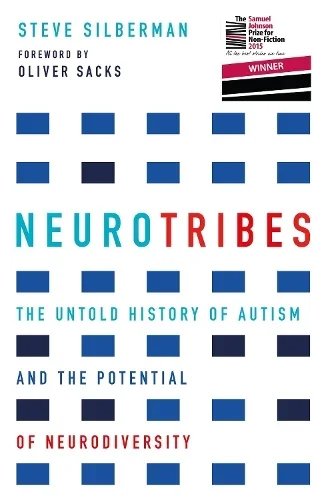
Neurotribes
Unearthing the secret history of autism, and surprising answers to why diagnoses have soared in recent years. By Steve Silberman
Watch · Tourette's
Newly Diagnosed with Tourette Syndrome
A short Tourettes Action video on what a Tourette's diagnosis means, what tics are, and what can make them better or worse.

Discover · Dyspraxia
NHS
An overview of the symptoms, diagnosis and treatment of developmental co-ordination disorder (DCD), also known as dyspraxia.

Listen · Neurodivergent
NHS England’s Director for ND
Dr Adrian James, NHS England's first Medical Director for Mental Health & Neurodiversity, on fixing a broken system.
Read · Neurodivergent
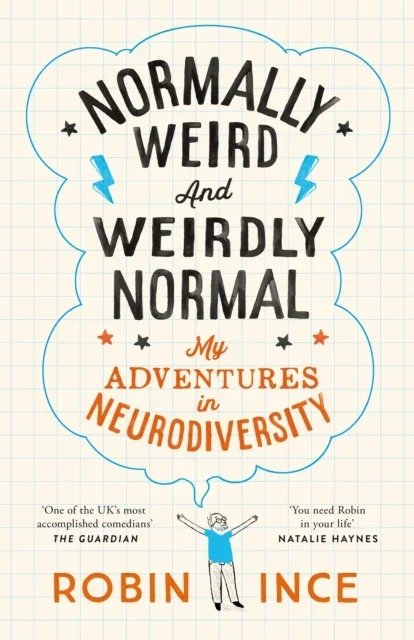
Normally Weird and Weirdly Normal
Robin uses his own experience to explore neurodivergence and ask what 'being normal' really means. Quirky and witty.
Read · Autism
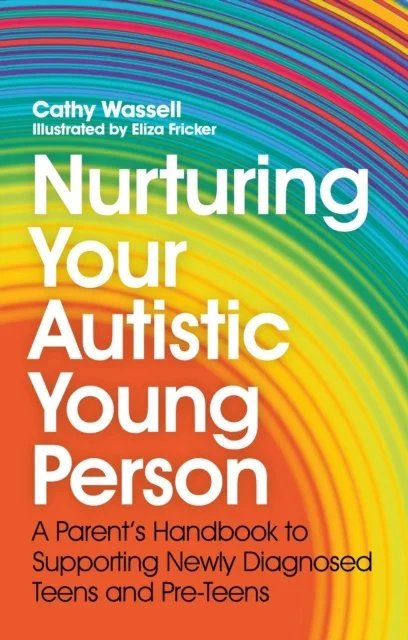
Nurturing Your Autistic Young Person
A Parent’s Handbook to Supporting Newly Diagnosed Teens and Pre-TeensBy Cathy Wassell